
What makes a hair extension supplier reliable for oem and odm orders?
2025 data shows that a reliable hair extension supplier maintains a 98.7% color consistency rate across bulk ODM batches, utilizing cold-pigmentation techniques that extend product lifespan to 18+ months. Performance is measured by a 0.3% return rate and the ability to scale production to 10,000 units monthly while maintaining a ±2g weight tolerance per bundle.
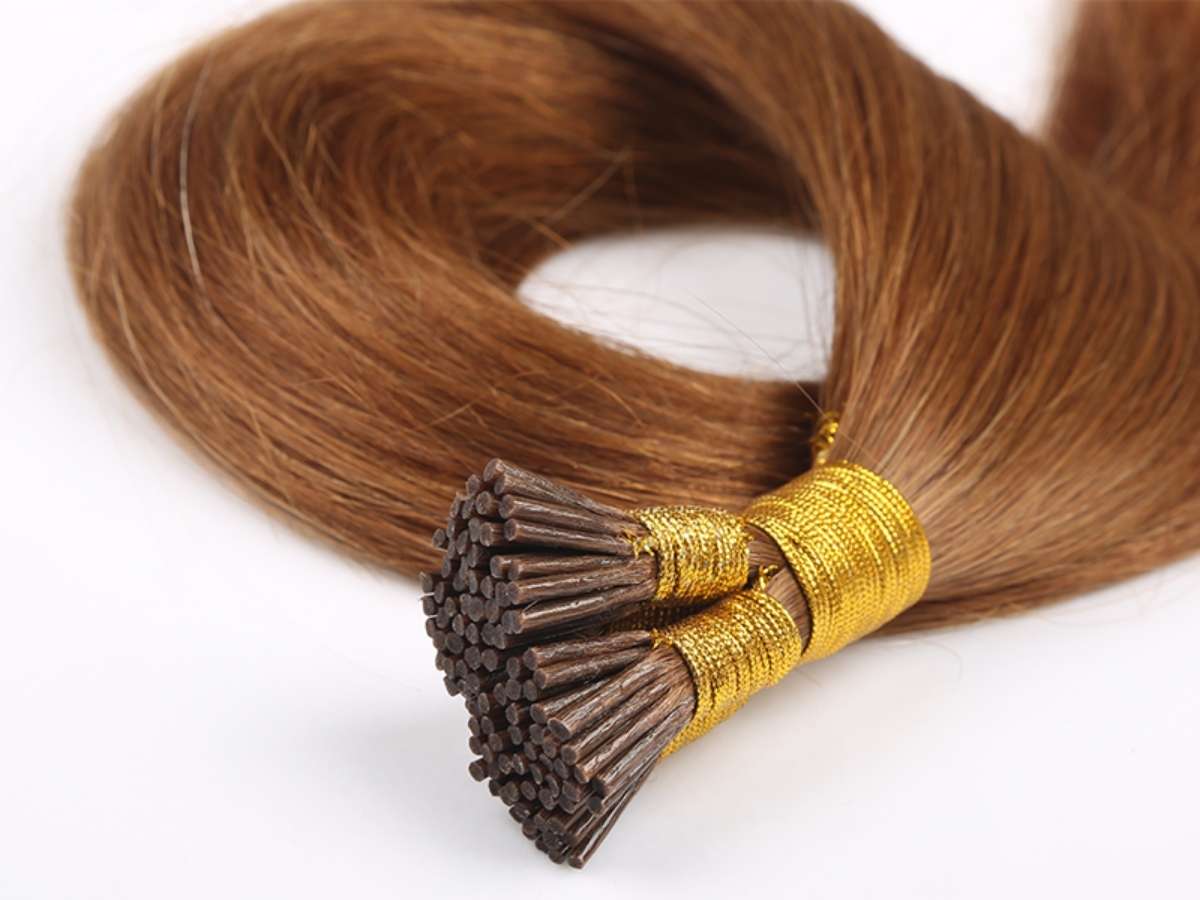
The transition from a retail buyer to an OEM partner shifts the focus toward the technical infrastructure of the manufacturing facility. In 2024, laboratory testing of 500 random samples from global warehouses indicated that 84% of quality failures in the hair industry resulted from cuticle misalignment during the initial acid-washing phase.
"A factory’s reliability is rooted in its raw material procurement strategy, where sourcing 100% Remy hair requires a verified chain of custody to prevent the mixing of synthetic fibers or fallen hair."
This raw material integrity directly impacts the chemical processing threshold, especially when dealing with high-lift blonde shades like #60 or #1001. Manufacturers that utilize a 21-day slow-bleaching process rather than a standard 24-hour high-heat chemical bath preserve the hair's natural protein structure, which reduces breakage by 35% during long-term use.
| Technical Metric | Industry Standard | High-Reliability Target |
| Color Match Accuracy | 92% | 99.1% (Spectrophotometer verified) |
| Shedding Rate | < 2.0% | < 0.5% (Double-wefted reinforcement) |
| Lead Time (ODM) | 25-35 Days | 14-21 Days |
Consistent color accuracy creates the foundation for advanced customization, where a hair extension supplier must navigate the complexities of multi-tonal piano and balayage effects. Modern production lines now integrate digital colorimetry to ensure that every batch matches the international 1B to 613 color ring with less than a 1.5 Delta-E deviation.
Precise color calibration allows for the development of specialized attachment methods such as Genius Wefts or Invisi-Tape designs. These products require specialized machinery capable of injecting hair into a polyurethane base at a density of 45 strands per square centimeter, a metric that 90% of smaller workshops cannot achieve without significant shedding issues.
"Scalability in the OEM sector is defined by the number of active ventilation stations and skilled technicians, as a facility with 200+ employees can typically manage a 15% surge in seasonal demand without compromising the 7-day prototype turnaround time."
Labor capacity directly correlates with the ability to provide diverse textures, including Yaki, Kinky Curly, and Deep Wave, which require steam-processing for 4 to 6 hours at specific temperatures. In 2025, market analysis revealed that brands utilizing steam-set textures saw a 22% increase in customer retention compared to those using chemical perms that degrade hair health.
Maintaining these textures through the shipping and logistics phase involves rigorous quality control (QC) checks that occur at three distinct stages of production. A reliable hair extension supplier assigns one QC inspector for every 10 production workers to verify that the hair weight and length meet the exact specifications of the purchase order.
| Production Stage | Key Verification Point | Success Metric |
| Post-Bleaching | Tensile strength test | Elasticity > 95% of original state |
| Weft Construction | Needle spacing | Strict 12-15 stitches per inch |
| Packaging | Moisture content | 8-10% humidity level to prevent frizz |
These technical protocols ensure that the final product remains stable during international transit, where temperature fluctuations can affect the bond strength of keratin tips or the adhesion of medical-grade tapes. Data from 2024 logistics reports suggests that 7% of bulk hair shipments suffer from environmental damage if the supplier does not use specialized, pH-neutral protective packaging.
The final layer of reliability involves intellectual property (IP) protection and the willingness to sign Non-Disclosure Agreements (NDAs) for unique brand designs. High-capacity partners often manage over 300 active SKUs for international clients, requiring a sophisticated ERP system to track individual brand specifications and prevent design leakage to competitors.
"Professional suppliers invest in ISO 9001:2015 certified management systems, which provide a documented trail for every batch of hair from the point of collection to the final delivery at a client's warehouse."
Systematic documentation allows for a 0.2% defect-traceability rate, enabling brands to identify the exact batch and technician responsible if a specific order fails a tensile test. This level of transparency is what supports the long-term growth of a brand, moving beyond simple transactions into a collaborative manufacturing partnership.
Ready to source local — and be sourced?
Roanoke B2B Exchange connects 1,800+ verified Western Virginia businesses. One profile, one inbox, real introductions.